

emmanuela4679
About emmanuela4679
The Most Overlooked Solution For Invest
There is a version of the housing market story that gets told over and over, and it goes like this: prices are high, rates are high, nothing is affordable, and the only people buying are the ones with cash. That version is not wrong, exactly. It is just incomplete.
Home prices at the national level have held close to their peaks despite a sharp rise in mortgage rates. The reason is supply. A seller who bought in 2021 at a three percent rate has nowhere affordable to go if they list today, which means the correction that many analysts were expecting simply did not materialize the way the data suggested it should.
 Affordability, by the standard measure of what share of median household income goes toward the monthly payment on a median-priced home, is near its worst level since the early 1980s. That is a real problem, and it is not going away quickly. A market can stay unaffordable for longer than most buyers expect to wait. What it means, practically, is that the pool of qualified buyers is smaller than it was three years ago.
 Shop multiple loan officers to compare rates and fees. A seemingly small rate difference adds up to real money that most buyers leave on the table by taking the first offer they receive. Lender fees vary too. Ask each lender for a Loan Estimate document, which breaks down all costs in a standardized format.
 If the report surfaces findings that change the financial picture of the deal, you have real choices, and walking away is a legitimate one of them. You can walk away if the scope of the problems makes the agreed price no longer reasonable. The one thing to avoid is accepting everything uncritically because you are afraid of losing the deal.
 Budget two to four percent of the purchase price for closing costs, on top of your down payment. First-time buyers are sometimes surprised by how much cash is required beyond the down payment itself. Ask your lender for a Loan Estimate before you make any offers, so you can plan your cash position accurately.
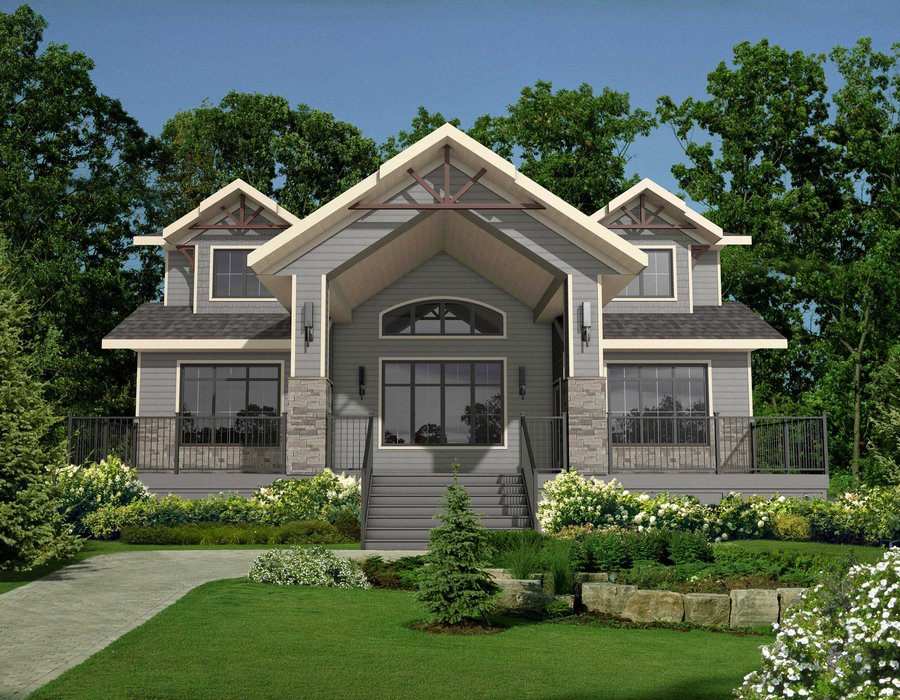 Real estate is illiquid. Transaction costs, agent commissions, and closing fees mean you typically need three to five years just to break even on a purchase. None of that means do not buy. It means be honest about your time horizon before you commit.
 Buyers who take the time to prepare before they start looking tend to find that opportunities exist even when conditions look difficult on paper. Before you commit to a direction, browsing homes for sale and market resources can sharpen your picture of what is actually available in your price range.
No listing found.